


February 26, 2026
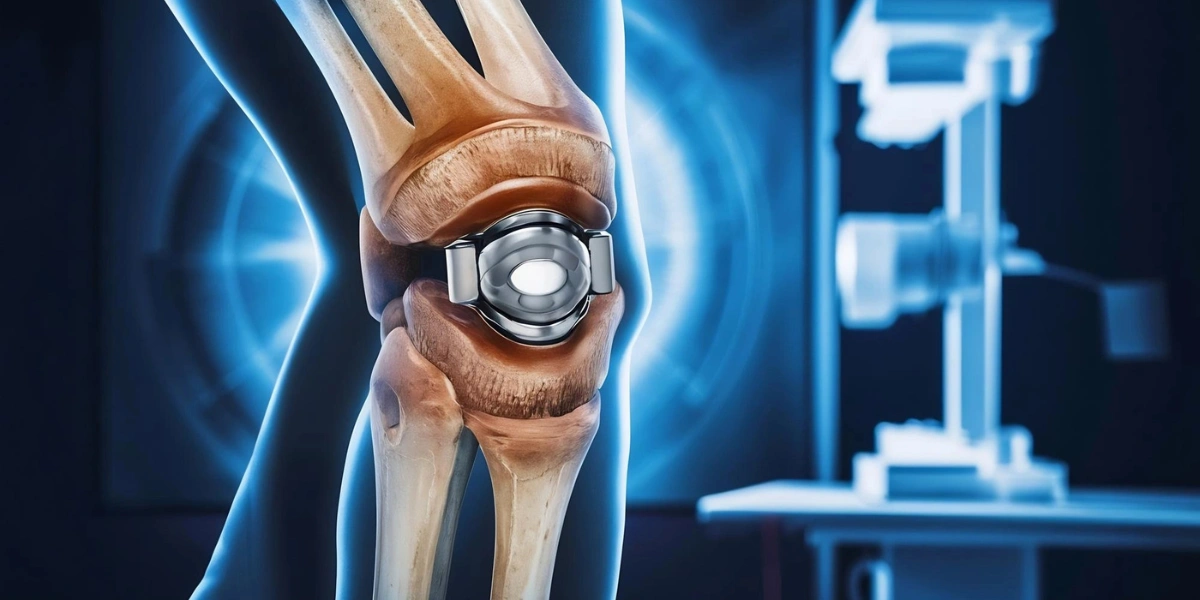
When Is Knee Joint Replacement the Right Option
It might come as a surprise how frequently individuals delay seeking care for ongoing knee discomfort, sometimes passing up chances for optimal healing. Advancements by 2026 shifted surgery methods toward custom positioning and quicker movement-based recovery routines. Although replacing a joint may seem overwhelming, experience shows it can bring back everyday comfort once the original structure fails basic functions. Determination about timing such treatment connects closely to observed discomfort intensity and reduced motion ability.
Surgical Intervention Indicators
Pain continuing after nonsurgical methods suggests possible need for new knee. Medicines, shots, or movement exercises failing to ease walking or rest often point toward deep joint damage. Leg shape shifting inward or outward, along with narrow gaps between bones seen on imaging, shows surface wear at maximum level. Movement limited to simple daily acts or familiar pastimes shifts procedure from last option to practical support. Independence regained through intervention often follows when natural motion stops functioning properly.
The Importance of Overall Health and Keeping Body Fluids Balanced
Healing after knee replacement relies heavily on how well the body controls inflammation following surgery. Fluid regulation, guided by the kidneys, influences the degree of swelling around the joint. When fluid equilibrium falters, healing may slow, adding to physical strain. In certain cases - especially among younger individuals or people with complex health backgrounds - a talk with a specialist in childhood urinary function might clarify kidney responses to surgical drugs and hydration changes. Stability within the body’s systems often shapes the pace and quality of rehabilitation.
Keeping Your Body Safe
Surgery readiness extends beyond the joint - attention to nearby tissue condition becomes essential. When skin remains in good shape, along with steady blood flow through the lower limbs, problems near the cut area become less likely. Protection of the outer layer of skin, paired with solid heart and vessel function ahead of time, supports smoother joining of the replacement part. Looking at wellbeing as a whole picture opens space for better results afterward, making movement easier once recovery begins.
Long Term Expectations Influence Relationship Durability
Asked often: what determines how long a new knee lasts? Modern implants use durable materials - cross linked polyethylene, titanium blends - allowing many to remain functional past two decades. Longevity varies greatly when body mass or physical intensity enters the picture. Movement matters, yet choices shape outcomes; swimming or biking pose less stress than repeated pounding from extended runs. Wear on synthetic parts rises with harsh loading patterns. Monitoring progresses happens during routine visits with the specialist who tracks integration of device and condition of nearby skeletal structure. Stability relies partly on consistent evaluation over time.
Navigating Recovery After Injury
Surgery marks just the beginning of moving toward relief from discomfort. What follows - lasting roughly three to half a year - is the period when progress takes shape. In early weeks, attention turns to closing the incision fully while regaining how far the leg can move. Movement experts lead structured routines meant to build up front and back thigh muscles, those most responsible for stabilizing the knee area. During this time, slight irritation may arise while the body adjusts to the implanted device; however, steady effort leads to progress. Those adhering closely to prescribed exercises at home tend to achieve noticeably improved movement results compared to individuals who skip sessions.
Conclusion
Choosing knee joint replacement marks progress toward living free from ongoing discomfort. When attention shifts to protecting the skin's outer layer during healing, or when balancing bodily fluids with guidance from a specialist in childhood urinary health, broader care improves outcomes. Early recognition of declining joint function, followed by readiness for rehabilitation, opens movement possibilities after long-term limits. Should persistent knee pain shape daily decisions, considering surgery becomes part of moving forward into greater physical freedom.