


February 20, 2026
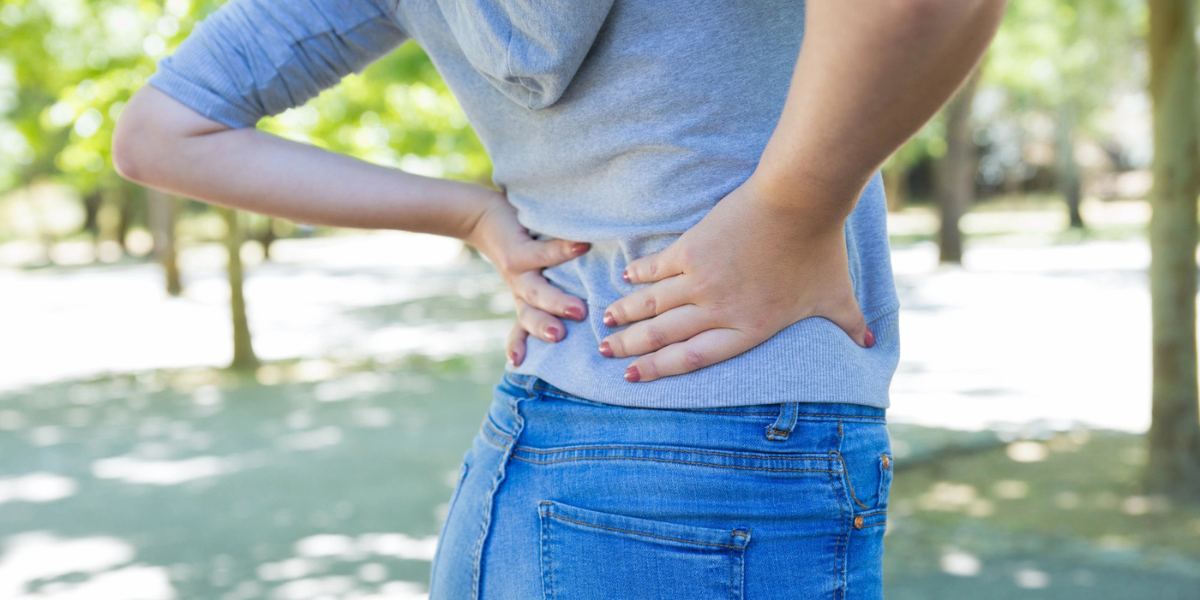
Causes of Hip Pain Beyond Arthritis
It may surprise some to learn hip discomfort ranks high among concerns voiced to bone doctors, even though joint inflammation accounts for just part of it. Although worn joints are often blamed for persistent soreness there, the area involves an intricate network - including fibers, cords, sheets, and signal lines. Around 2026, examination methods reached new levels of accuracy when spotting damage in flexible components once nearly invisible. Recognizing that breakdown within the joint space might not be responsible can open paths to more focused care. Despite common belief, relief could depend on seeing beyond typical decay narratives.
Common Soft Tissue and Muscular Causes
Bursitis stands among the leading reasons for hip pain without arthritis. Inflammation arises within tiny fluid-filled pockets meant to protect the joint, typically triggered by repeated movement or sustained force against the area. A different source appears in labral damage, where the cartilage bordering the hip socket suffers a rip. Rather than a constant throb, such an injury delivers sudden stabs or snapping feelings during activity. Movement at times brings on soreness near the front of the hip, tied to strained tendons or irritated muscles responsible for lifting the leg. Physical effort or extended sitting may play roles in worsening these symptoms.
Nerve Compression and Referred Pain
From time to time, discomfort believed to come from the hip stems from elsewhere entirely. Although it seems localized, signals may travel from distant sources such as irritated nerves along the spine. Pain moving into the groin might trace back to issues within the lumbar region, like sciatic involvement. One example unfolds when pressure builds on a specific sensory pathway serving the outer leg. That particular route, responsible for skin-level feedback, becomes trapped without warning. A pins-and-needles feeling may appear, along with loss of sensation and a sharp warmth near the hip. Since discomfort might begin in the lower back before reaching the hip, determining its origin shapes how healing progresses.
The Role of Systemic Health and Fluid Balance
Health of the hip area depends partly on how well the entire body controls inflammatory responses. Fluids and minerals, managed by the kidneys, influence whether muscles and tendons operate smoothly. When hydration or salt levels shift too much, extra pressure may build near the hip - or cramps might appear similar to joint discomfort. In cases involving youth or complicated health histories, insights from a specialist in children's urinary systems could clarify kidney contributions to healing. Stability within the body allows injured tissues to mend with fewer complications.
Shielding the Building's Outer Base
Tissue wellness near the hip relies partly on unbroken skin and sound fascial layers beneath. When inflammation persists in this joint, subtle shifts may appear - skin might grow tender or feel warmer than usual nearby. Protection of the outer layer matters most when applying creams or wearing supportive devices around the site. Attention to surface sensation helps reduce interference, letting biological resources shift toward healing strained muscles or damaged connective tissue below. Stability at the surface supports recovery within.
structural problems hip socket alignment
Occasionally, discomfort arises directly from bone structure, even when typical arthritic changes are absent. When motion causes irregular contact between misaligned hip bones, gradual harm may follow - this is known as femoroacetabular impingement. Over years, such friction might wear down soft tissues like cartilage and the labrum. In another variation, the socket fails to fully cradle the femoral head due to underdevelopment - a trait seen in hip dysplasia. Pain often appears in young, physically active individuals due to such structural flaws. Early detection helps avoid future joint degeneration. When addressed promptly, long-term damage may not develop. The presence of mechanical dysfunction does not always show immediate symptoms. Yet subtle signs can signal serious progression ahead. Intervention at an earlier stage alters the typical outcome. Without attention, minor misalignments lead to lasting harm. Lifelong mobility sometimes depends on timely evaluation. Structural faults left unchecked tend to worsen gradually. Prevention becomes possible through consistent monitoring.
Focused Recovery Matters
Since hip pain stems from various sources, treating everyone the same way usually fails. Instead of generic methods, therapists commonly guide patients through exercises that build strength in the buttocks and midsection, which helps reduce strain on the hip. When damage such as a torn tissue or irregular bone shape exists, precise injections or small-scale surgical procedures might become necessary. Continuing activity while hurting risks harm elsewhere - often seen in lower limbs or spine - so pausing matters. Looking ahead means caring for hips now, allowing smoother movement later.
Conclusion
Pain in the hips often comes from more than just bone structure - it may involve muscle tension, nerve signals, or overall bodily function. Looking after skin integrity might help ease local reactions, while balancing internal fluids could require advice from a specialist in children's urinary systems. A clear understanding of what drives discomfort - perhaps a torn cartilage ring, inflamed cushioning sacs, or pinched nerves - guides better outcomes. Movement returns more smoothly when the root factor is recognized early. For those dealing with long-lasting hip trouble, a careful review by a professional supports choices aligned with lasting well-being.